


What happens at the consultation
Your Divorce Resolution Expert takes time to understand your circumstances, then walks you through the Fairway process and answers any questions you may have about the law, your finances, the children, or what comes next. There is no pressure and no commitment. You leave with clarity about your options and, if Fairway is the right fit, a complete fixed-fee quote for the full process.
The meeting begins with your Divorce Resolution Expert getting to know your situation. They'll ask questions about your circumstances: where you are in the separation, whether you have children, a general picture of your finances, and you'll have the opportunity to ask absolutely anything about the divorce process and family law, about parenting arrangements, and about timelines and costs.
From there, your expert walks you through Fairway's Independently Negotiated Resolution™ process, the step-by-step guided roadmap that has helped over 8,000 Canadian families resolve their divorce with dignity. You'll understand what each stage involves, how long the process typically takes, and why it works the way it does. There is no requirement to make a decision or commit.The sole purpose is to make sure you leave informed.
At the end of the meeting, if Fairway is a good fit for your situation, your expert provides a complete, transparent, flat-fee quote for the entire process, covering everything from financial disclosure through to your separation agreement. There are no hourly fee surprises and there is no meter running. If Fairway is not the right fit, your expert will tell you that honestly and point you to the legal services or resources that will work for you.
Why both spouses attend together
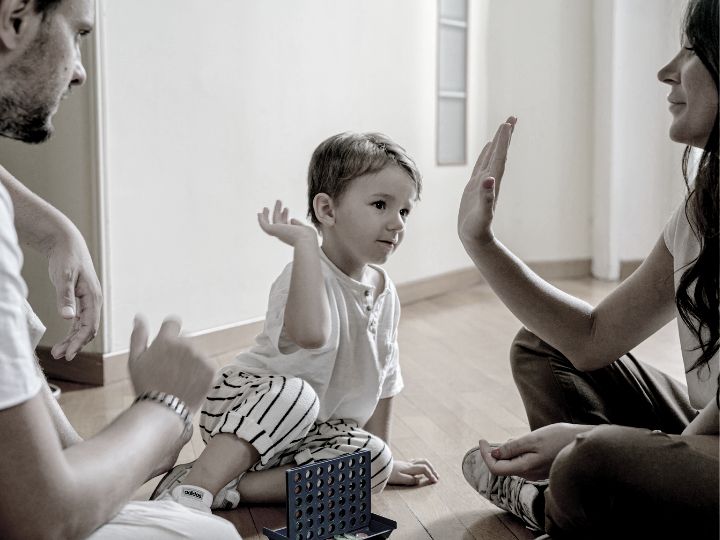
Most couples are nervous about sitting in the same room. That's understandable, and it's exactly why Fairway's Introduction Meeting is specifically designed so conflict cannot escalate. Your Divorce Resolution Expert leads the conversation at every moment. Both partners ask questions and receive the same information at the same time. No one is put on the spot, and no one is asked to debate anything.
The reason both spouses attend is straightforward: when both people hear the same information at the same time, no one starts the process with an advantage. There's no version of events that one partner has heard and the other hasn't. That equal starting point matters, particularly when the conversations ahead involve the difficult choices you will need to make about property division, child and spousal support, and custody arrangements.